A Detailed Guide to Sympathy Flowers: Choosing the Right Arrangement

Recent Trends in Sympathy Flower Choices
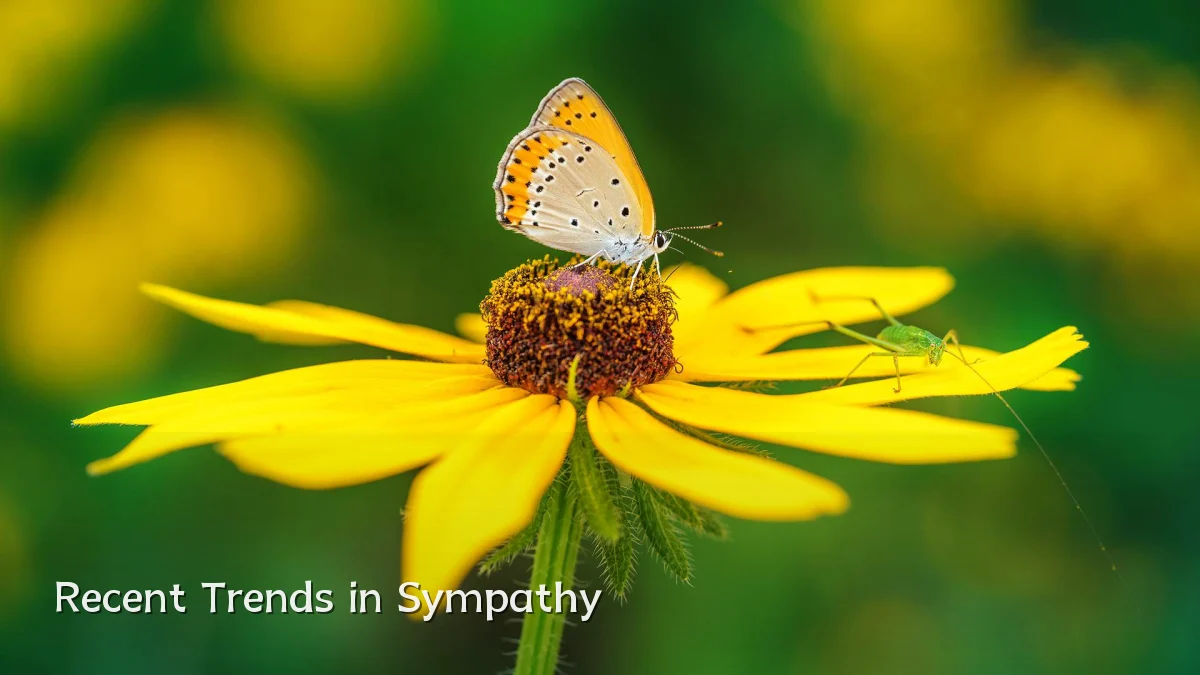
Over the past few years, the sympathy flower market has shifted toward more personalized and consciously sourced arrangements. Consumers increasingly request flowers that reflect the recipient’s known preferences—such as favorite colors or bloom types—rather than relying solely on traditional white lilies or chrysanthemums. Online florists now offer guided questionnaires to help match arrangements to the tone of a service or memorial. Sustainability is another rising concern: local, seasonal blooms and eco-friendly wrapping materials are becoming standard expectations for many families.
Background on Sympathy Flower Conventions
Sympathy flowers have been a cultural mainstay for centuries, commonly sent to express condolences and honor the deceased. Traditional etiquette often prescribes subdued tones (white, ivory, soft pastels) and structured designs such as wreaths, standing sprays, or casket covers. Different cultures hold distinct preferences: for example, white flowers widely symbolize purity across Western customs, while red blooms may carry contrasting meanings in East Asian contexts. Understanding these regional and religious nuances remains essential for appropriate gifting.
User Concerns When Selecting an Arrangement
- Appropriateness: Many worry about choosing a design that fits the service type—formal funeral vs. casual celebration of life—or the family’s stated preferences.
- Timing: Delivery windows are critical; arrangements must arrive before or during the viewing or service, not after.
- Longevity: Some recipients prefer live plants (e.g., peace lilies) that can be kept as lasting tributes rather than cut flowers that wilt quickly.
- Budget vs. impact: Price ranges vary widely, and buyers often seek balance between a meaningful gesture and cost constraints.
- Religious/ethnic customs: Specific flowers, colors, or shapes may be inappropriate in certain traditions (e.g., no white flowers in parts of India).
Likely Impact of These Shifts on Florists and Consumers
Florists now face pressure to provide detailed product descriptions and flexible design options—customers expect to know exactly which flowers are included and whether substitutions are possible. This trend is likely to further reduce last-minute, generic orders in favor of pre-arranged, consultation-driven purchases. For consumers, the abundance of online guidance can be helpful, but it also creates decision fatigue. Standardized etiquette may continue to loosen, making it more acceptable to send bright, cheerful blooms if they align with the deceased’s personality.
What to Watch Next in Sympathy Flower Selection
- Increased use of digital “remembrance gardens” that pair physical flower deliveries with virtual memorial pages.
- Growth of subscription services that deliver small floral tributes on anniversaries or birthdays of the deceased.
- More florists offering “flower-free” sympathy gifts (e.g., planted trees, charitable donations) as alternatives for budget or preference reasons.
- Continued education campaigns about religious and cultural sensitivity in design choices.