Blooms Every Book Lover Will Appreciate for Their Next Reading Nook Refresh
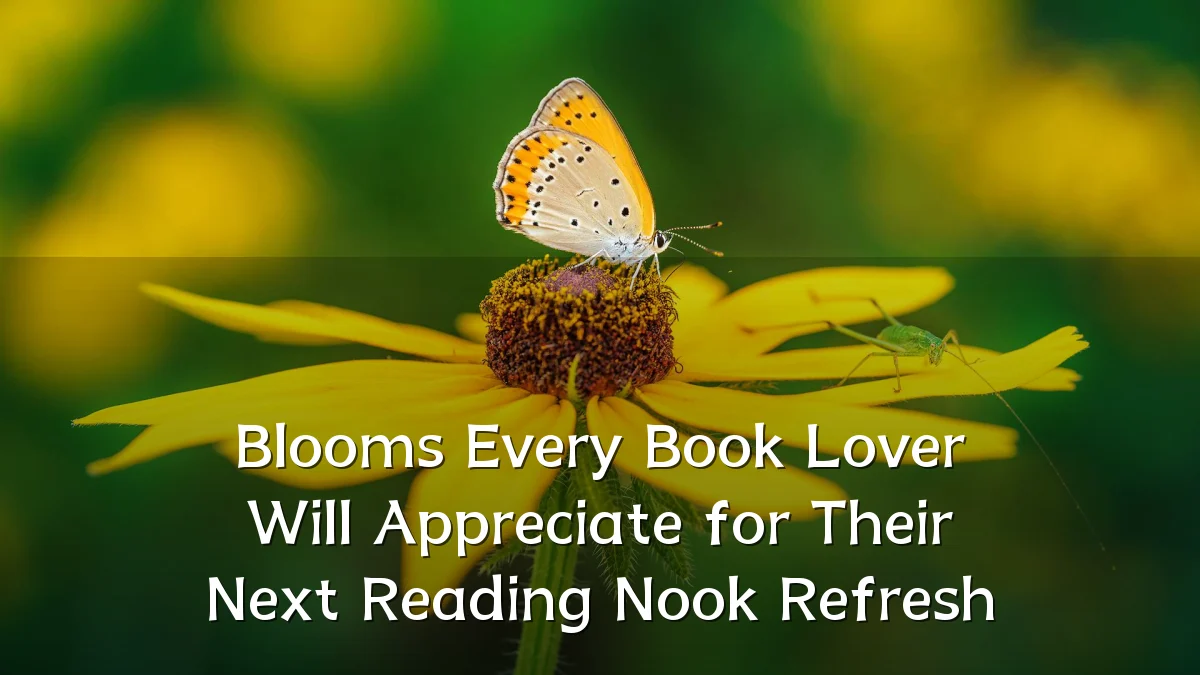
In recent months, readers and interior enthusiasts have increasingly turned to floral accents to refresh their home reading spaces. The trend combines a love of literature with the sensory appeal of fresh or preserved blooms, raising questions about practicality, personalization, and lasting value. This analysis examines the driving forces behind this movement, the concerns readers face, and what the future may hold for bookish botanicals.
Recent Trends
Online communities and home-decor platforms show a growing interest in pairing flowers with personal libraries and reading corners. Common motifs include:

- “Bookish bouquets” — arrangements styled to echo cover colors, dust jacket patterns, or literary themes.
- Small vase clusters on side tables or window ledges near seating areas.
- Use of low-maintenance options like dried lavender, eucalyptus, or preserved ferns to complement stacked books.
- Seasonal rotations that mirror the mood of a current read (e.g., autumn tones for a mystery, soft pastels for a romance).
Some retailers now offer curated flower subscriptions marketed specifically to readers, emphasizing long-lasting varieties that can survive near paper and screens.
Background
Flowers and books have a long cultural association: from medieval illuminated manuscripts with botanical marginalia to Victorian “language of flowers” used in literary symbolism. Private libraries of earlier centuries often included fresh arrangements as a sign of hospitality and intellectual vibrancy. In modern homes, the reading nook has become a distinct zone for relaxation, and adding natural elements is seen as an extension of that sanctuary.

However, widespread use of cut flowers in book spaces faded as concerns over moisture, pests, and scent sensitivity grew. The recent resurgence is partly driven by better preservation methods and a shift toward mindful decor that prioritizes personal experience over formality.
User Concerns
Before adding blooms to a reading nook, readers typically weigh several practical considerations:
- Allergies and sensitivities – Strongly scented flowers (e.g., lilies, hyacinth) can trigger reactions during long reading sessions. Unscented or lightly fragrant options like orchids or succulents are often preferred.
- Pet safety – Many common cut flowers are toxic to cats and dogs. Book lovers with pets gravitate toward non-toxic varieties such as roses, sunflowers, or snapdragons.
- Maintenance and longevity – Fresh flowers typically last 5–10 days; dried or preserved alternatives can last months but require more careful positioning to avoid dust accumulation on books.
- Moisture and book damage – Vases placed directly beside paperbacks risk water spills or high humidity. Readers tend to use sealed containers or separate blooms on a side table rather than among shelves.
- Cost – Regular fresh bouquets can become a recurring expense, leading some to adopt a single weekly “featured bloom” rather than full arrangements.
Likely Impact
Integrating flowers into a reading nook appears to deliver several benefits that align with current lifestyle priorities:
- Enhanced atmosphere – Natural elements can lower stress and improve focus, supporting longer, more immersive reading sessions.
- Personalization – Blooms offer an easy, temporary way to update a nook’s look without rearranging furniture or repainting.
- Gifting potential – Book–and–flower gift bundles are gaining traction for occasions such as birthdays, holidays, or “just because.”
- Community sharing – Social media posts featuring book–flower pairings continue to drive inspiration, encouraging readers to experiment with their own spaces.
Even with maintenance trade-offs, many readers report that the sensory lift outweighs the extra care required. Publishers and book retailers have also started to incorporate floral themes into limited-edition cover designs and window displays.
What to Watch Next
Several emerging patterns could shape how readers approach floral decor in the near future:
- Biodegradable and book-safe preservation – More artisans are developing dried arrangements that are compressed or laminated in ways that prevent powder or debris from settling on pages.
- Themed flower–book pairing guides – Curated lists matching bloom colors or meanings to popular genres (e.g., white daisies for classic sci‑fi, deep red roses for thrillers) may become standard retailer tools.
- DIY kits for readers – Subscription boxes that combine a new release with a small bouquet of related flowers are being tested in several markets.
- Focus on local and seasonal sourcing – As sustainability concerns grow, readers may prioritize flowers grown near their region, reducing carbon footprint and aligning with nature’s rhythms.
- Digital alternatives – For those with severe allergies or zero maintenance tolerance, digital or fabric floral art that mimics real botanicals is also on the rise.
The intersection of literary culture and floral design is still evolving. By paying attention to durability, safety, and personal taste, book lovers can refresh their reading nooks in a way that feels both intentional and enduring.