Celebrating a Breakthrough: The Best Anniversary Flowers for Scientists and Researchers
Recent Trends in Laboratory and Academic Gifting
Over the past several months, a niche but growing segment of the floral and gift industry has focused on creating arrangements tailored to people in scientific and research fields. Florists and subscription services have begun offering “lab-friendly” bouquets that minimize pollen and strong scents—common irritants in controlled environments. Another emerging trend is the use of preserved or dried specimens, such as pressed ferns or chemically stabilized blooms, which align with the aesthetic preferences of researchers who appreciate botanical structure and longevity.
Background: Why Flowers for Scientists?
Anniversary flowers have long been a traditional gesture of celebration, but researchers present unique considerations. Work anniversaries often coincide with project milestones, grant renewals, or publication dates. However, many scientists spend their days in sterile labs, field stations, or offices where fresh-cut flowers may be impractical due to regulations on allergens, organic debris, or cross-contamination. The push for “anniversary flowers for researchers” arose from a recognition that a meaningful gift should respect both the recipient’s professional environment and their personal appreciation for nature’s complexity.

- Allergen sensitivity: Many labs restrict pollen-heavy flowers to avoid triggering allergies or interfering with experiments.
- Longevity expectations: Researchers often value long-lasting displays over short-lived bouquets.
- Symbolic resonance: Flowers that mimic biological structures (e.g., orchid spikes, sunflower discs) can carry deeper professional meaning.
User Concerns and Key Criteria
When selecting anniversary flowers for a scientist or researcher, practical and personal factors typically outweigh generic romantic symbolism. The following considerations commonly emerge:
- Workplace restrictions: Confirm whether fresh flowers are allowed in the recipient’s specific lab or office. Some facilities prohibit any organic material beyond gloves or gowns.
- Low-maintenance options: Succulent arrangements, air plants, or preserved mosses require minimal care and last for months.
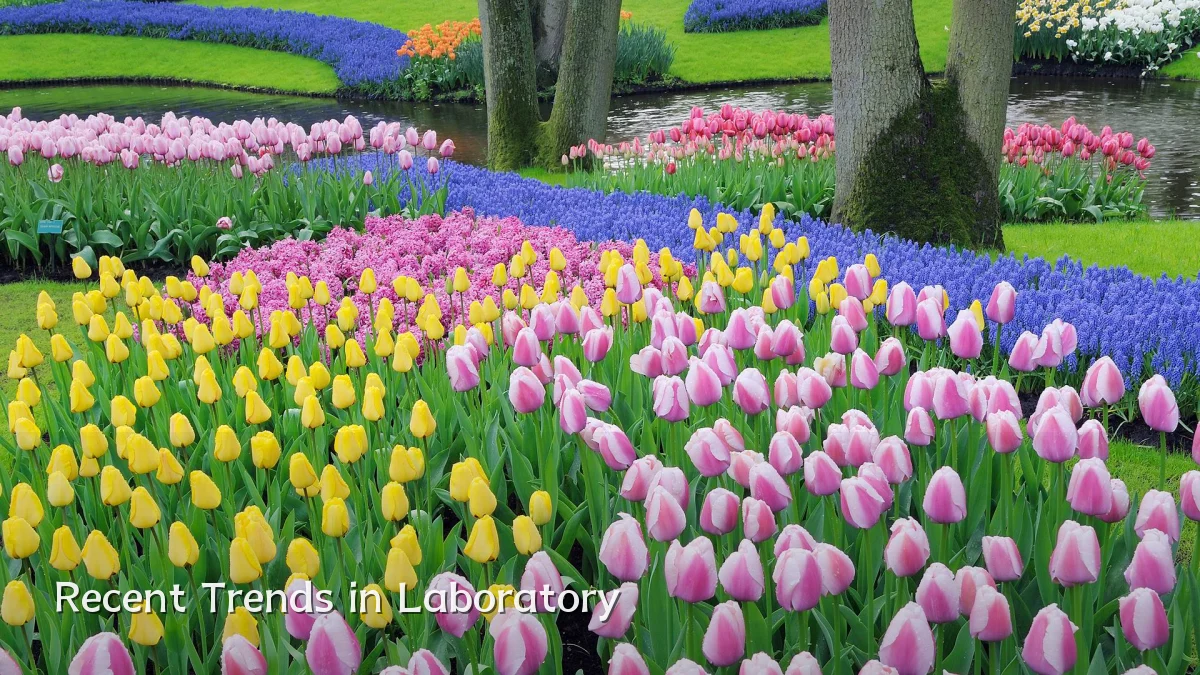
- Scent and pollen levels: Choose hypoallergenic varieties such as roses (with petals removed), orchids, or tulips, which produce little pollen.
- Personal research field: A botanist may appreciate a rare orchid hybrid; a physicist might enjoy geometrically arranged dried flowers.
- Deliverability: If the recipient is at a field site or remote station, opt for non-perishable dried arrangements that can be shipped without refrigeration.
Likely Impact on Gift-Giving Norms and Workplace Culture
The rise of researcher-specific floral gifts may encourage more nuanced workplace recognition in academic and R&D settings. Instead of a generic bouquet, supervisors and colleagues can signal understanding of the recipient’s environment. This shift could reduce waste from wilted, allergenic flowers and increase the perceived thoughtfulness of the gesture. Additionally, it may spur florists to develop modular arrangements that can be easily reconfigured (e.g., removing pollen-heavy elements) without losing aesthetic appeal.
For institutions with strict lab safety protocols, preserved or dried flowers offer a viable middle ground—celebratory yet compliant with environmental controls.
What to Watch Next
Several developments could influence how “anniversary flowers for researchers” evolve:
- Botanical preservation technology: Advances in freeze-drying and resin encapsulation may produce longer-lasting, safer floral art.
- Customization services: Online platforms that allow customers to input lab restrictions (e.g., “no pollen” or “no fragrance”) and receive tailored recommendations will likely expand.
- Cross-sector partnerships: Floral companies may collaborate with scientific supply distributors to offer bundle gifts (e.g., flowers paired with lab-themed mugs or desk accessories).
- Cultural shifts in academia: As wellness and work-life balance gain attention in research institutions, personal gestures like anniversary flowers may become more common and expected.