Discovering Modern Floral Design: A Guide to Clean Lines and Asymmetry

Recent Trends in Floral Arrangement
Over the past several years, florists and hobbyists have moved away from dense, rounded bouquets in favor of minimalist compositions that emphasize negative space. Social media feeds increasingly showcase arrangements with single stems, sculptural branches, and deliberate imbalance. The defining characteristics—clean lines, asymmetrical shapes, and a restrained palette—reflect a broader cultural shift toward simplicity and intentionality in home decor.

- Increased use of monochromatic or limited color schemes (e.g., all-white with one accent tone).
- Popularity of linear foliage like eucalyptus, pampas grass, and Japanese maple branches.
- Rise of "flower arranging as meditation," with tutorials focusing on mindful placement.
Background: From Traditional to Modern
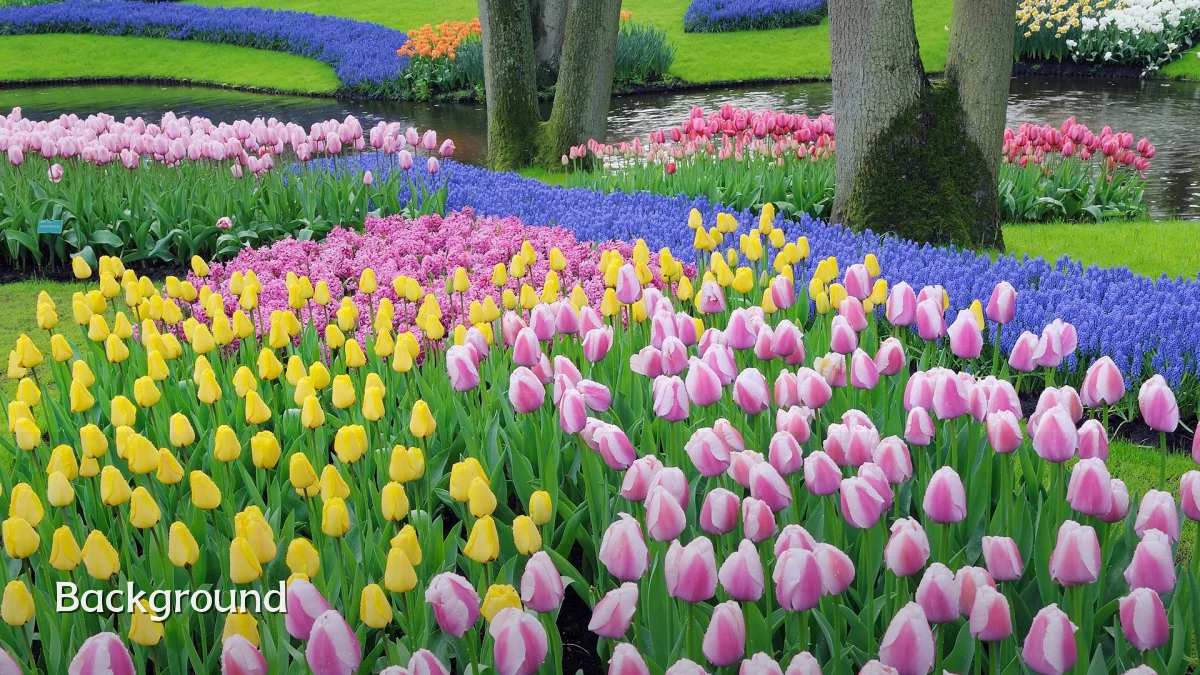
Traditional Western floral design typically relied on symmetrical, dome-shaped arrangements packed with multiple flower types. In contrast, modern floral design borrows heavily from Japanese ikebana principles—particularly the emphasis on line, space, and asymmetry. European influences, such as Dutch avant-garde floristry from the 1980s, also contributed by deconstructing form and highlighting structure over abundance.
Key shifts include:
- Reduction of stems: fewer blooms, each placed with intention.
- Embracing irregular shapes: off-center focal points, trailing vines, and angular placement.
- Use of unconventional vessels: geometric vases, low ceramic bowls, or even simple glass cylinders.
User Concerns and Practical Considerations
Adopting modern floral design can feel intimidating for those accustomed to full, round bouquets. Common concerns involve longevity, cost, and perceived difficulty.
- Longevity: Open, airy arrangements may wilt faster if stems are not properly trimmed. Using a mix of hardy foliage (e.g., leatherleaf fern) alongside delicate blooms can extend vase life.
- Cost: Fewer flowers can reduce expense, but premium blooms (e.g., orchids, anthuriums) are often chosen for their sculptural quality. Budget-friendly alternatives include carnations stripped of lower petals to create a modern look.
- Skill level: Asymmetry requires practice; beginners can start with a single focal flower and add two to three stems of contrasting foliage at different heights.
Likely Impact on the Floral Industry
The clean-line aesthetic is reshaping both retail and event markets. Florists report increased requests for minimal centerpieces and low-table arrangements that encourage conversation without obstructing views. Online flower subscription services now offer "designer picks" with fewer stems but higher-variety selections. Education platforms have responded with micro-courses focused on structure rather than volume.
Potential ripple effects include:
- Growers shifting production toward unusual foliage and long-stemmed varieties.
- Vase designers creating narrower necks and asymmetrical forms.
- Crisis in waste: fewer flowers per arrangement could reduce landfill contributions if consumers compost, but also may lower overall flower sales.
What to Watch Next
The evolution of modern floral design will likely continue to intersect with sustainability and technology. Vertical gardening and preserved moss installations are already influencing textural choices. Augmented reality apps that let users preview arrangements in a room could make asymmetry more accessible. Also watch for cross-industry collaborations, such as florists teaming with interior designers for seasonally rotating installations.
- Preserved and dried flowers: their rigid structure supports clean lines indefinitely.
- Biophilic design integration: more offices and hotels adopting low-maintenance asymmetrical displays.
- DIY kits: subscription boxes that ship curated stems with foam blocks pre-cut for asymmetry.