Elevate Your Brand: The Ultimate Guide to Choosing Flowers for Corporate Events

Recent Trends Reshaping Corporate Floral Choices
The corporate events sector is moving away from generic, one-size-fits-all arrangements. Several distinct trends have emerged in the last few years that are influencing how procurement and marketing teams select floral elements.
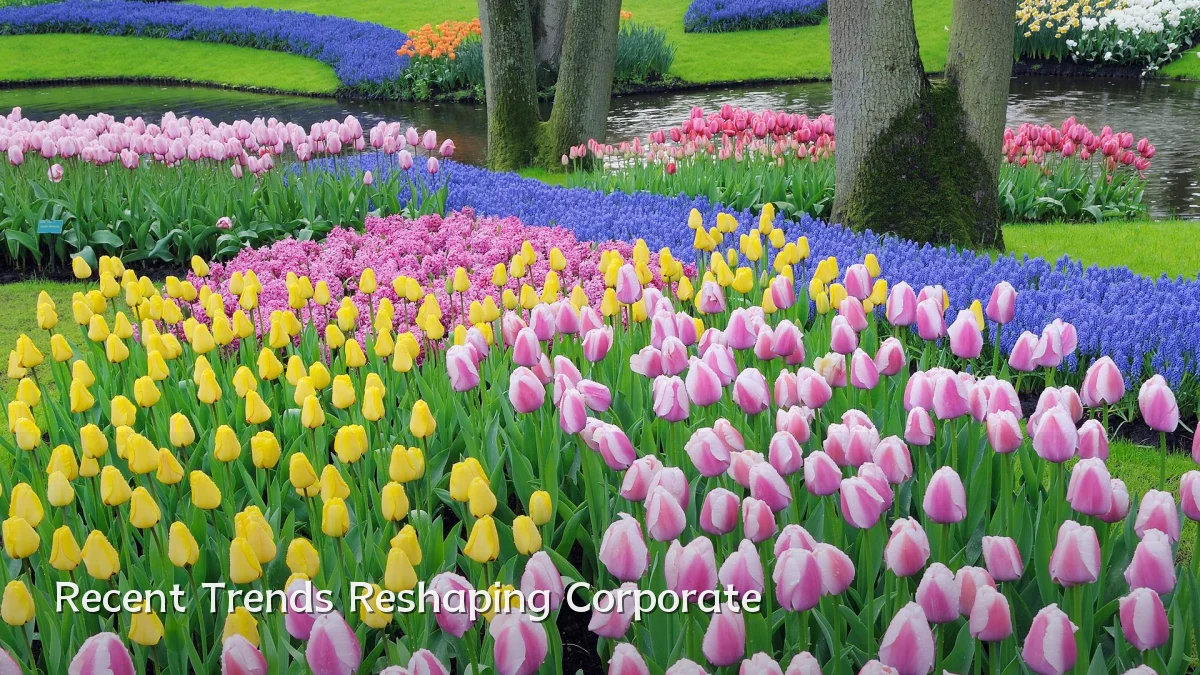
- Biophilic design integration: Living walls, moss logos, and plant-heavy installations are being used to soften high-tech conference environments and signal eco-consciousness.
- Local and seasonal sourcing: Firms are increasingly favoring blooms that are in-season and grown within a regional radius, partly to reduce carbon footprint and partly to create a sense of place for attendees.
- Minimalist, sculptural arrangements: Overly dense, mixed bouquets are being replaced by single-variety clusters or tall, airy stems that don’t obstruct sightlines during networking.
Background: From Decoration to Strategic Asset
Corporate floral use was long treated as an afterthought—a simple centerpiece or lobby arrangement. The shift began as event marketing matured and brands realized that every sensory touchpoint, including scent and texture, reinforces brand identity. Background decisions now often involve alignment with the company’s color palette, sustainability pledges, and the psychological tone of the event (energetic versus calm).

Primary User Concerns in Selection
Event planners and brand managers typically weigh several pragmatic factors before committing to a floral plan.
- Budget transparency: Costs can range widely based on stem density, container type, and installation labor; bulk seasonal flowers may cost significantly less than imports or exotic varietals.
- Longevity and venue conditions: Flowers must hold up under variable lighting, air conditioning, and extended event hours. Tough blooms like orchids or anthuriums are often chosen over delicate peonies.
- Allergen and fragrance control: Strongly scented flowers such as lilies or hyacinths can trigger sensitivities in attendees, leading many planners to opt for unscented or lightly scented options.
- Cultural and message sensitivity: Certain flowers carry different connotations across cultures; white blooms, for example, are celebratory in some regions but associated with mourning in others.
Likely Impact on Brand Perception and Logistics
Choosing flowers with intention can have measurable effects on how a corporate event is received. Attendees often perceive a cohesive floral theme as a signal of attention to detail and professionalism. Conversely, overlooked arrangements—wilted stems, inconsistent color matching, or overdone display—can undercut even a well-planned program. On the logistical side, a clear floral brief reduces last-minute vendor changes and helps ensure that installations comply with venue fire codes and setup time windows.
What to Watch Next
Several developments are likely to influence how corporate event flowers are chosen in the coming seasons. Dry and preserved botanicals are gaining traction for multi-day events because they eliminate wilting and watering logistics. On-demand floral marketplaces are also expanding, offering short-notice ordering that mimics the flexibility of other event services. Meanwhile, the push for measurable sustainability is prompting some companies to ask for full lifecycle data—from grower to composter—before signing floral contracts.