Rare Flower Varieties Every Enthusiast Should Order Online

Recent Trends
Specialty online florists have seen a notable rise in demand for uncommon and heirloom flower varieties. Social media platforms, particularly Instagram and Pinterest, now heavily feature visually distinct blooms such as black petunias, ghost orchids, and two-toned peonies, driving enthusiasts to seek out sources beyond local garden centers. Several new digital storefronts now focus exclusively on curated collections of hard‑to‑find species, often sourcing from small‑scale growers and international seed banks.

- Increased interest in color‑shift roses and bicolour tulips
- Rise of mail‑order subscription boxes featuring seasonal rarities
- Growing appetite for “moody” flowers like chocolate cosmos and dark hellebores
Background
For decades, rare flower enthusiasts relied on physical nurseries, botanical garden sales, or seed‑exchange networks. These channels offered limited availability and required significant travel or membership. The shift to e‑commerce has lowered geographic barriers, enabling growers in regions with ideal microclimates to ship directly to collectors. Specialty online florists now act as intermediaries, handling propagation, quarantine, and packaging that maintains plant health over long distances.
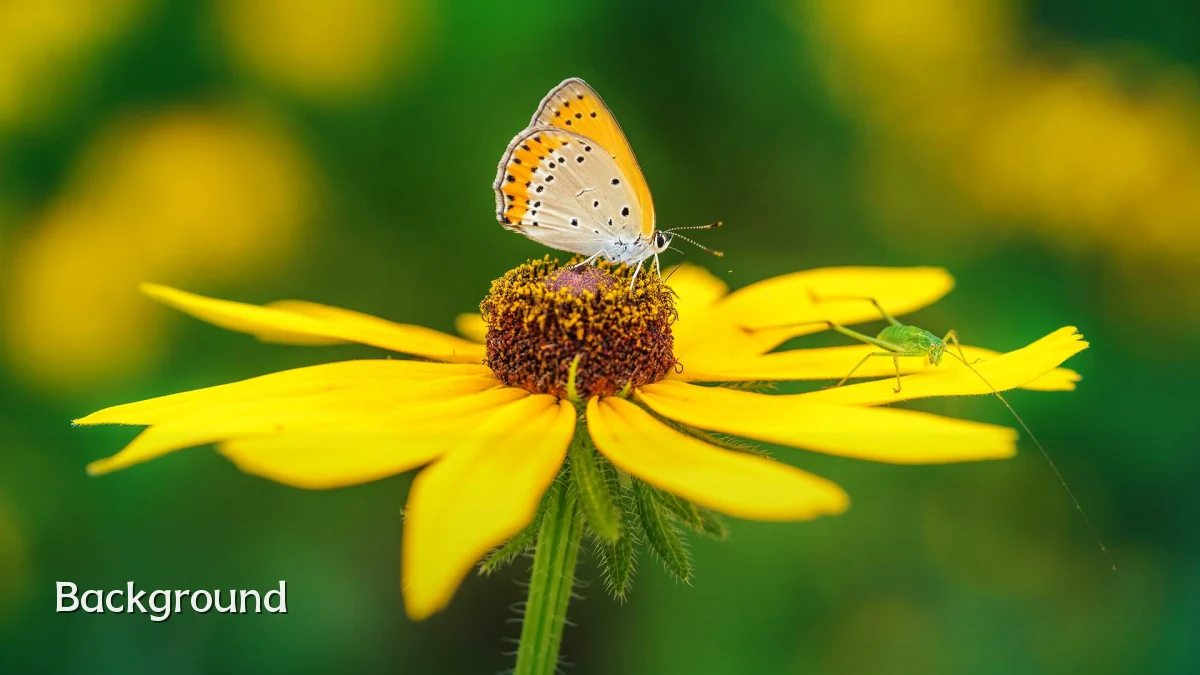
“Many of these varieties have very precise growing requirements—orchids from high‑elevation cloud forests or succulents that need extreme light—so online sellers must provide detailed care guides to succeed.”
User Concerns
While ordering rare flowers online offers access, enthusiasts face legitimate worries. The following points are commonly raised in enthusiast forums and review sites:
- Freshness and transit stress: Plants can arrive wilted, broken, or infested if packaging is inadequate or delivery is delayed.
- Authenticity: Mislabeling of seeds or cuttings is a persistent problem; buyers may receive common cultivars instead of the promised rarity.
- Growing conditions: Many rare varieties require specific humidity, light cycles, or soil pH that a generic gardener might not be prepared for.
- Cost: High price tags for small plants or bulbs increase expectations, and shipping fees can double the total.
Likely Impact
The online model is already broadening the genetic diversity available to home growers. Enthusiasts can now experiment with species once restricted to botanical collections. This trend may encourage conservation through home propagation, as well as increased competition among sellers—potentially driving down prices and improving logistics. However, it also risks over‑harvesting of wild populations if sellers do not adhere to ethical sourcing.
For the enthusiast community, the direct‑to‑consumer pipeline means faster sharing of cultivation tips and more collaborative hybridisation efforts across regions. Florists who invest in robust packaging and transparent disease‑free guarantees are building trust that could reshape the entire specialty plant market.
What to Watch Next
Several developments are likely to influence how rare flowers are ordered and grown in the near future:
- Precision shipping technology: Bio‑sensors in packages that monitor temperature and humidity in transit could become standard for high‑value plants.
- Blockchain provenance tracking: Some specialty florists are exploring immutable records that verify a plant’s lineage and ethical collection history.
- Subscription hybrids: Enthusiast‑only clubs offering limited‑edition hybrids that are not available anywhere else.
- Micro‑climate data integration: Sellers may soon recommend varieties based on the buyer’s specific local growing conditions via API links to weather stations.
Enthusiasts should monitor seller reviews, request phytosanitary certificates when importing, and join online communities that share firsthand experiences with different rare‑flower suppliers.