Seasonal Wedding Flowers: Best Blooms for Spring, Summer, Fall & Winter
Recent Trends in Seasonal Wedding Flowers
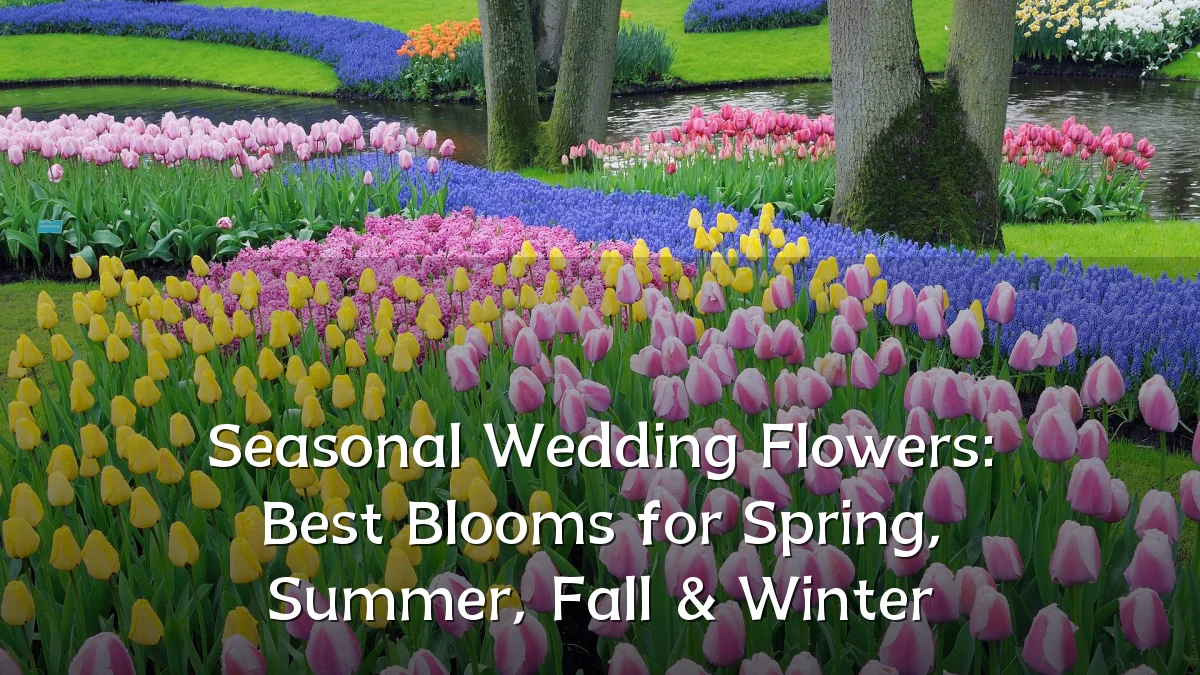
Couples increasingly choose blooms that naturally align with their wedding season, moving away from forced greenhouse imports. This shift reflects a broader preference for authenticity and environmental consideration. For spring, garden roses, tulips, and peonies remain popular. Summer weddings lean toward sunflowers, dahlias, and zinnias. Fall brings warm-toned chrysanthemums, marigolds, and ornamental kale. Winter weddings favor amaryllis, evergreen branches, and paperwhites.
Background: Why Seasonality Matters
Seasonal flowers are typically available in higher quality and quantity because they grow naturally during that period. They require fewer artificial inputs such as heating or lighting, and often travel shorter distances from farm to florist. This can reduce carbon footprint and support local growers. In contrast, out-of-season flowers must be imported from regions with opposite climates, increasing cost and logistical complexity.
Many florists build their offerings around a seasonal palette because it simplifies sourcing and allows for more reliable predictions on color and stem length. The practice also aligns with the natural life cycle of flowers, which tend to last longer when cut at their peak seasonal availability.
Common Concerns for Couples Choosing Blooms
- Availability uncertainty: Even within a season, weather anomalies can delay or accelerate bloom times. Couples are advised to maintain a shortlist of backup flowers.
- Color matching: Seasonal blooms come in limited natural palettes. For example, deep burgundy dahlias are abundant in fall but rare in spring. Couples may need to adjust their color scheme to fit what is in season.
- Cost variability: Prices for seasonal flowers tend to be lower and more stable, whereas off-season blooms can cost more than double. Budget-conscious couples often plan their floral design around what is locally available.
- Allergy considerations: Some seasonal flowers (e.g., lilies in spring, ragweed in fall) release more pollen. Hypoallergenic alternatives like hydrangeas or orchids can be substituted without losing the seasonal feel.
Likely Impact on Wedding Costs and Availability
When couples commit to seasonal flowers, they typically see a moderate decrease in total floral expenditure—often in the range of 15% to 30% compared to using imported or out-of-season blooms. However, peak demand periods (such as late spring or early fall) may still drive prices upward due to competition from multiple weddings. Florists may offer package discounts for wholesale seasonal bundles.
Availability is also affected by regional microclimates. A bloom that is reliable in coastal California may be scarce in the Midwest during the same week. Couples working with local growers gain more flexibility to substitute as harvests fluctuate. Advance ordering—typically two to four months ahead—helps secure quantities for popular seasonal varieties like peonies or ranunculus.
What to Watch Next
- Hybrid and extended-season varieties: Breeders are developing cultivars that bloom longer or tolerate a wider range of conditions, potentially blurring traditional seasonal boundaries.
- Climate adaptation: Shifting weather patterns may alter when certain flowers are reliably available. Couples should monitor regional bloom calendars and consult local growers for updated timelines.
- Dried and preserved flowers: These offer a season-independent option that still evokes a seasonal aesthetic (e.g., dried wheat for fall). Their popularity continues to grow as a low-maintenance, long-lasting alternative.
- Local sourcing networks: More florists are building direct relationships with small-scale farms, providing access to niche seasonal blooms that larger wholesalers may not carry.