Stunning Fresh Flower Arrangements to Brighten Your Home This Spring
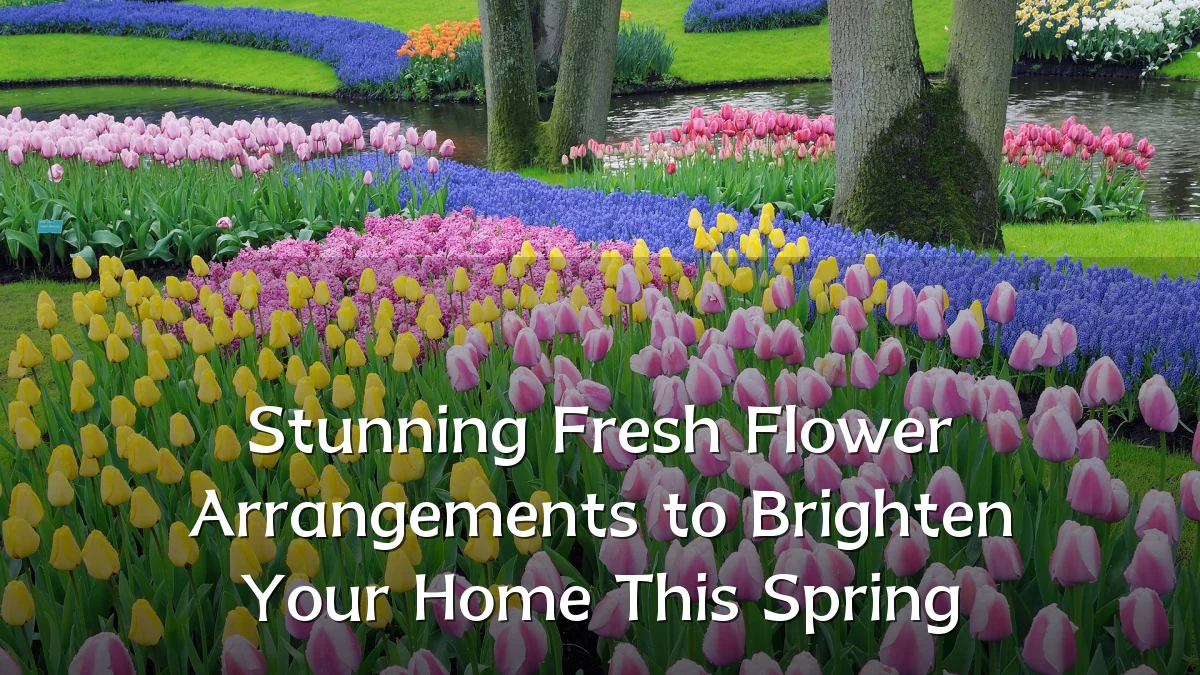
Recent Trends in Fresh Flower Arrangements
This spring, floral designers and home stylists are shifting toward looser, more naturalistic arrangements that mimic wild-garden growth. Mono‑botanical bouquets—using a single flower type in varied hues—are gaining popularity alongside sustainable, locally sourced blooms. Dried‑flower accents are also being blended with fresh cuts to extend the life of arrangements without sacrificing visual appeal.

- Seasonal color palettes: Soft pastels (lavender, blush, buttercream) remain dominant, but saturated jewel tones and warm corals are emerging for contrast.
- Container preferences: Muted ceramic vessels, recycled glass, and textured terracotta are replacing clear vases in many curated displays.
- DIY culture: More households are building their own arrangements from farmers’ market or subscription‑box stems, rather than buying pre‑made bouquets.
Background: Why Fresh Flowers Matter in Spring
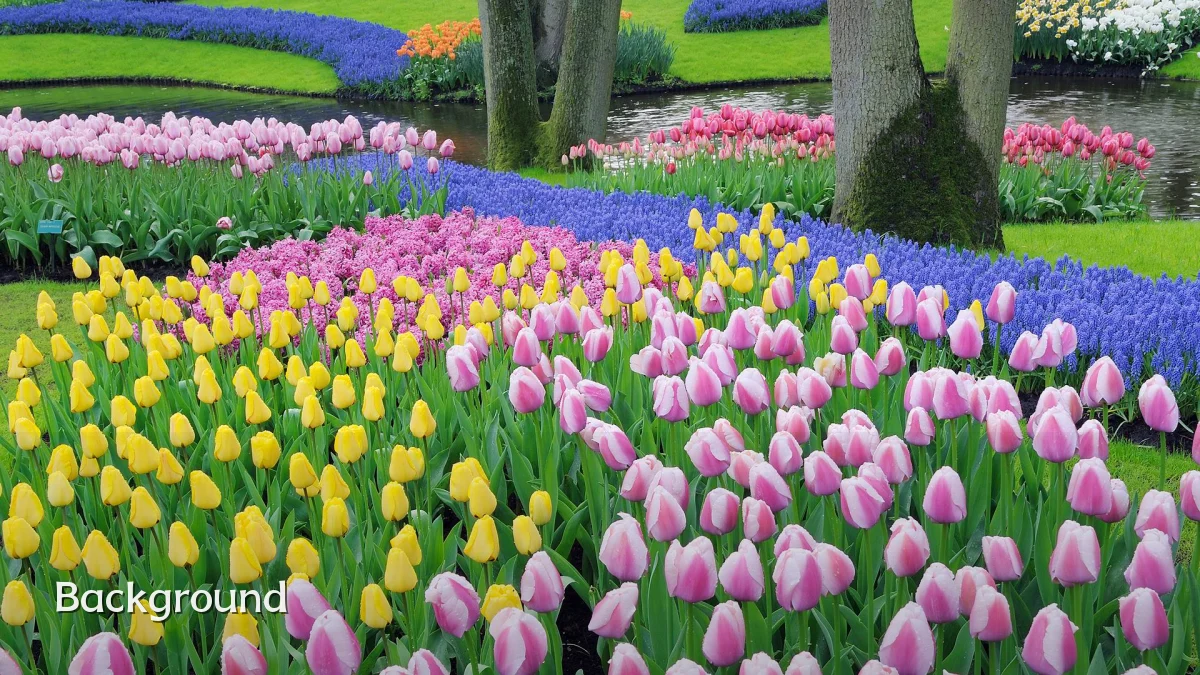
Flowers have been used for home decoration for centuries, but the modern interest in fresh arrangements often ties to seasonal affective shifts and indoor‑wellness practices. As winter ends, natural light increases, and homes become spaces for renewal. Fresh flowers link the indoors to the changing landscape outside, supporting mood and perceived air quality. Spring‑blooming varieties such as tulips, daffodils, hyacinths, and ranunculus are traditional favorites because they thrive in cooler temperatures and offer strong color impact.
Common User Concerns When Choosing Arrangements
Consumers balancing aesthetics, longevity, and budget face a few practical challenges. These concerns are especially relevant during spring when many people entertain or host gatherings.
- Longevity vs. visual impact: Highly delicate blooms (e.g., peonies, garden roses) last only a few days, while sturdier stems (chrysanthemums, spray roses) can remain fresh for up to two weeks with proper care.
- Cost variability: Seasonal local stems are usually more affordable than imported exotics. A modest mixed bouquet typically ranges from moderate to premium, depending on stem count and rarity.
- Allergy sensitivity: Strongly scented flowers such as lilies or freesia may trigger reactions; many opt for unscented or low‑pollen options like tulips or hydrangeas.
- Care routines: Frequent water changes, stem trimming, and placement away from direct sunlight or drafts are often under‑estimated by first‑time buyers.
Likely Impact on Home Decor Practices
The trend toward personalized, seasonal arrangements is likely to influence how consumers approach interior styling through the rest of the year. Florists and subscription services are adjusting their offerings to include more flexible, mix‑and‑match options rather than fixed bouquets. This shift may encourage people to treat flower arranging as a weekly or bi‑weekly ritual rather than an occasional purchase. Meanwhile, local growers are responding by extending spring‑flower availability through protected cultivation, reducing reliance on long‑distance shipping. The net effect is a more resilient, locally‑anchored floral market that rewards creativity over formulaic design.
What to Watch Next
As spring progresses, several developments could shape the way fresh flower arrangements are sourced and displayed.
- Late‑spring transitions: Watch for a shift from bulb‑based blooms (tulips, daffodils) to early perennials (peonies, irises) and wildflower mixes around late April through May.
- Sustainable packaging: Eco‑friendly wraps and biodegradable foam alternatives are expected to become standard in retail and delivery by mid‑season.
- Hybrid arrangements: The combination of fresh stems with preserved foliage or dried seed heads may gain mainstream traction as a way to extend decoration life beyond a single week.
- Smart‑care tools: Products such as flower‑specific nutrient packets and self‑cleaning vases are entering the market, aiming to reduce maintenance effort for casual buyers.
For homeowners looking to brighten their space this spring, sticking with regionally available blooms and simple, clean‑line containers remains a reliable starting point. Observing how local florists and growers adapt to shifting demand can help consumers make informed choices that balance beauty, cost, and sustainability.