Stunning Local Floral Arrangement Ideas for Your Summer Wedding

Recent Trends in Local Summer Wedding Florals
Couples are increasingly opting for arrangements that reflect the immediate growing season and regional character. Local sourcing has moved from niche preference to a central planning consideration. Popular directions include:
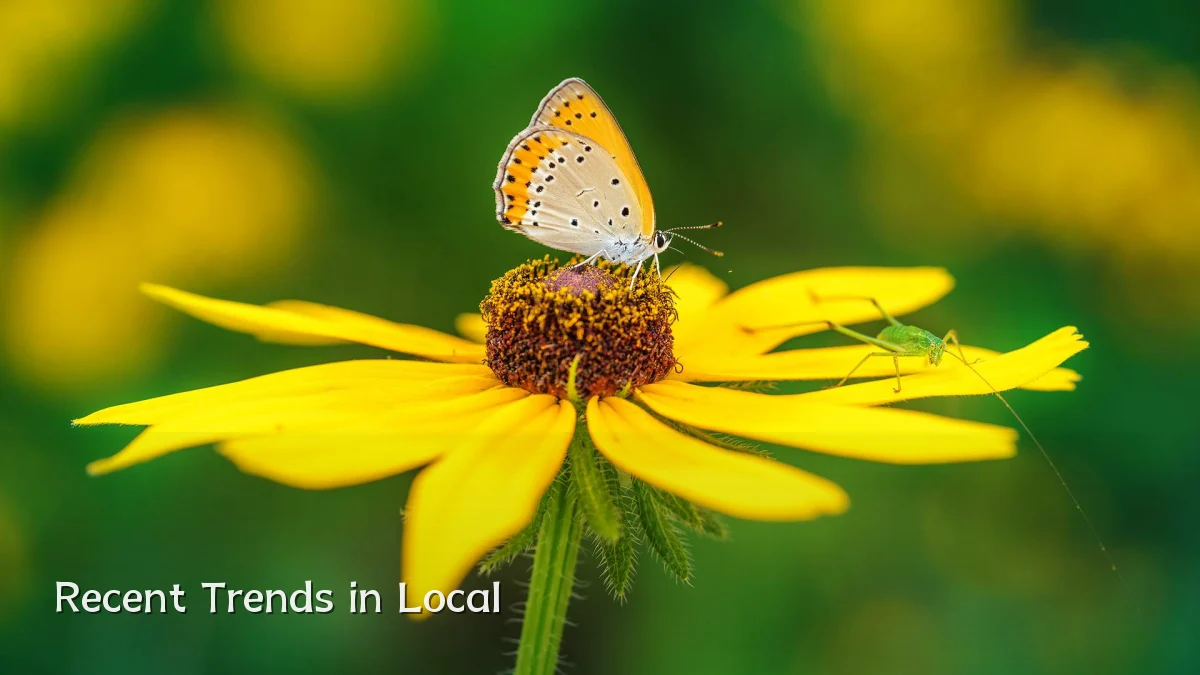
- Wildflower-heavy bouquets using native blooms like black-eyed Susans, yarrow, or Queen Anne’s lace
- Ornamental grasses and greenery for texture and volume without heavy cost
- Color palettes drawn from what’s actually available in nearby fields—soft pastels in cooler regions, vibrant jewel tones in warmer zones
- Single-stem or minimal designs that let one local hero flower (such as a dahlia or sunflower) stand out
Background: Why Local Arrangements Have Gained Traction
The shift toward local floral arrangements stems from three converging factors: sustainability concerns, the farm-to-table movement’s influence on weddings, and the desire for unique, place-specific aesthetics. Summer offers the broadest window of domestic bloom availability, making it the easiest season to rely on nearby growers. By choosing local flowers, couples reduce the carbon footprint of long-haul refrigeration transport and often gain access to stems that are picked at peak freshness, which can improve vase life compared to imported alternatives. Many regions now have flower farms that grow specifically for wedding markets, bridging the gap between wholesale and bespoke design.
User Concerns and Decision Criteria
When planning around local florals, couples and planners frequently encounter practical hurdles. Heat and handling are prime considerations for summer events. Key factors to weigh include:
- Heat tolerance: Opt for blooms like zinnias, celosia, or statice over delicate peonies or ranunculus that wilt quickly in direct sun
- Availability windows: Peak local season may vary by two to four weeks depending on latitude and weather patterns; confirm bloom timing with growers three to six months out
- Cost expectations: Locally grown stems are often moderately priced relative to imports, but labor for foraging or small-farm processing can add 10–25% compared to bulk wholesalers
- Design flexibility: Ask florists to propose a “menu” of locally possible flowers for your date, then build the palette from that list rather than forcing a specific flower that may be scarce
Likely Impact on the Wedding Industry
If the local-floral trend continues, several outcomes are probable. Flower farms in suburban and rural areas near major cities will expand wedding-specific production, possibly creating shorter supply chains that reduce markdown from spoilage. Florists may increasingly act as intermediaries between couples and growers, offering subscription-style consultations for seasonal availability. Pricing could stabilize around a moderate premium for hyper-local stems, while imported luxury blooms remain a separate, pricier tier. The shift also encourages creativity: arrangements that once depended on year-round imports are now celebrated for their impermanent, “of the moment” character, which resonates with couples seeking authenticity over perfection.
What to Watch Next
Look for three developments that could reshape local summer wedding florals in the near term:
- DIY farm partnerships: More venues may allow couples to arrange directly with a nearby grower for u-pick bucket options, reducing labor costs
- Technology tools: Regional flower co-ops are beginning to use online platforms that show live availability by week, making it easier to plan without a local florist middleman
- Post-summer fallbacks: As the season shifts, the same principles (native grasses, dried flowers, hardy perennials) will apply to autumn weddings, creating a year-round local-floral playbook