The Complete Guide to Choosing Sympathy Flowers for a Grieving Friend

When a friend experiences a loss, sending sympathy flowers remains one of the most common gestures of support. Yet many people struggle with the practical and emotional decisions involved—which arrangement is appropriate, what message to include, and how to ensure the gift provides genuine comfort rather than adding burden. This analysis examines current trends, persistent concerns, and the evolving role of floral sympathy gestures.
Recent Trends in Sympathy Flower Choices
Over the past several years, two notable shifts have emerged in how people select and send sympathy flowers. First, the rise of same-day and nationwide online ordering has made it possible to send arrangements from afar with minimal lead time. Second, there is growing interest in more personalized, less traditional options.
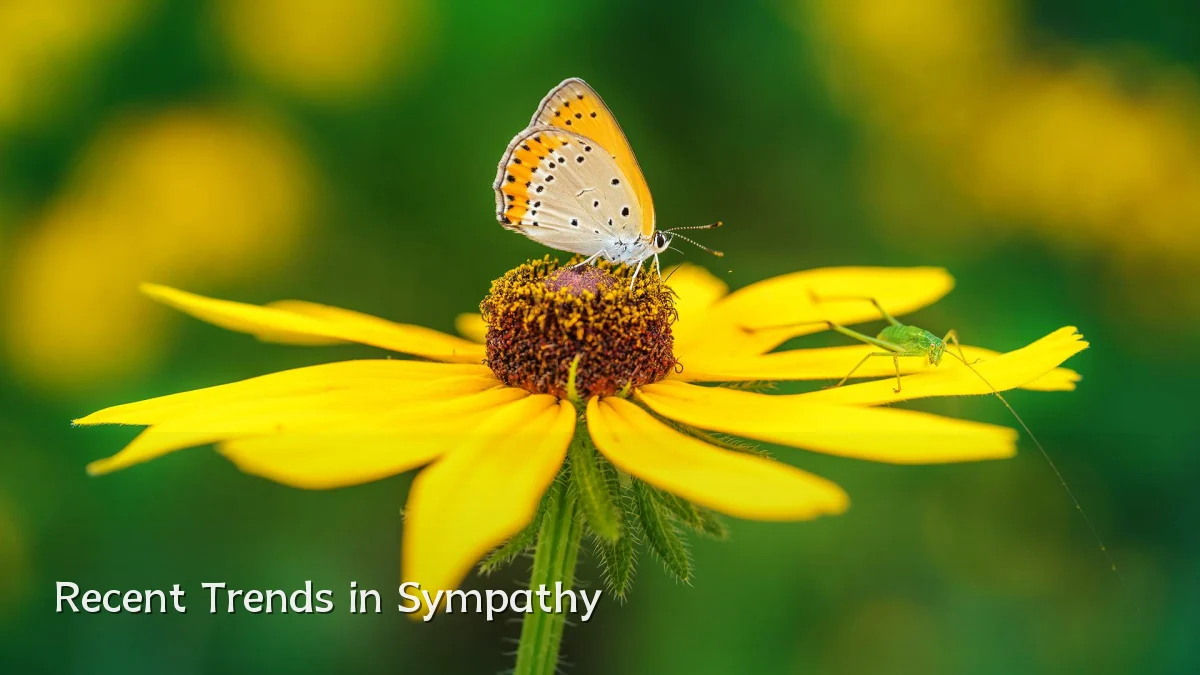
- Local and seasonal blooms are preferred over imported, generic mixed bouquets, as they feel more thoughtful and often last longer.
- Live plants—such as peace lilies, orchids, or small succulents—are increasingly chosen because they offer a lasting reminder of support beyond the funeral or memorial service.
- Donation requests in lieu of flowers have grown, but many senders still opt for a small arrangement alongside a note, balancing the gesture with the family's stated wishes.
Background: Why Flowers Remain a Central Gesture
Sympathy flowers have been part of mourning rituals across cultures for centuries. Their role is partly practical—they help soften the atmosphere during visitations and services—and partly symbolic, conveying life, beauty, and the continuity of care. Unlike many other gifts, flowers require no upkeep from the recipient during the immediate days of grief, and they can be displayed or discreetly set aside as needed. For the sender, the act of choosing and sending flowers provides a structured way to express condolences when words feel inadequate.

Florists and funeral directors note that arrangements designed for home delivery have grown in popularity, as many families now hold private or scattering ceremonies rather than public funerals, or prefer to receive comfort in a less formal setting.
Common User Concerns When Selecting Sympathy Flowers
People who want to send sympathy flowers often face a set of practical and emotional dilemmas. The following list captures the most frequent questions and decision points.
- Timing: Should flowers arrive before the service, on the day, or after? Each timing has different implications for the recipient's schedule and emotional state. Pre-service arrangements are traditional, but a small plant sent a week later can be a welcome reminder of ongoing support.
- Type of arrangement: Standing sprays and casket covers are formal and service-focused; cut bouquets and potted plants are better suited for home delivery. Choosing the wrong format can create awkwardness or extra work for the family.
- Message wording: A handwritten note that is specific to the relationship and the loss is more comforting than a generic printed card. Many senders worry about saying too little or too much.
- Budget: While prices can vary widely, a thoughtful, moderate arrangement is almost always preferable to an expensive one that feels impersonal. Most florists offer a range suitable for different relationships and settings.
- Cultural and religious norms: Some traditions prefer white flowers only; others discourage flowers altogether in favor of charitable donations. Researching the family's background can prevent unintended offense.
Likely Impact on the Recipient and the Giver
When chosen well, sympathy flowers provide several benefits. For the grieving friend, receiving flowers can create a small but meaningful anchor of beauty during a disorienting time. The visual presence of blooms in the home offers a gentle, non-verbal reminder that others are thinking of them. For the sender, the act of selecting and sending flowers can relieve feelings of helplessness and strengthen the social bond that grief often strains.
On the other hand, poorly chosen or excessively large arrangements can become a burden. Recipients may feel obligated to write thank-you notes, find vases, or dispose of wilting stems while already overwhelmed. A small, simple arrangement with a genuine note typically avoids these negative outcomes while still expressing care.
What to Watch Next in Sympathy Gifting
Several developments may influence how people approach sympathy flowers in the near future. Subscription-based flower services are beginning to offer grief-specific options, such as a series of small monthly bouquets delivered over several months, extending comfort beyond the immediate loss. Eco-conscious senders are driving demand for locally grown, biodegradable arrangements without floral foam. Meanwhile, digital etiquette platforms are emerging to help senders navigate the nuances of when and how to send flowers, especially for non-traditional memorials or distant friendships. These trends suggest that the core gesture of sending sympathy flowers will remain, but its form will continue to evolve toward greater thoughtfulness, flexibility, and sustainability.