The History and Symbolism of English Wedding Flowers: From Lavender to Roses
English wedding flowers have long been chosen for their beauty and their deeper meanings. From the calming scent of lavender to the classic romance of roses, each bloom carries a tradition that couples today continue to reinterpret. This analysis explores recent shifts, historical roots, practical concerns, and the evolving role of flower symbolism in modern weddings.
Recent Trends in English Wedding Flowers
In the past few years, several trends have shaped how English couples select their wedding flowers:

- Seasonal and local sourcing: Many couples now prioritize flowers grown in the UK, reducing carbon footprint and supporting regional growers.
- Dried and preserved flowers: Beyond fresh blooms, dried lavender, hydrangea, and pampas grass offer lasting keepsakes and a rustic look.
- Wildflower and meadow styles: Loose, natural arrangements with cow parsley, cornflowers, and yarrow evoke English countryside charm.
- Meaning-driven choices: Couples actively research the language of flowers, selecting blooms that reflect their relationship or heritage.
Background: Symbolic Roots in English Tradition
The tradition of using flowers to convey messages in England dates back centuries. During the Victorian era, floriography became a detailed code where each flower held a specific sentiment. Lavender symbolized devotion and calm, while red roses stood for passionate love. White roses indicated purity, often used in bridal bouquets. Earlier, medieval English weddings incorporated herbs like rosemary for remembrance and marigolds for protection. Honeysuckle represented lasting affection. These associations persist, though modern interpretations have become more personal and less rigid.
User Concerns: Choosing Flowers for an English Wedding
Couples planning a wedding often face several practical and emotional considerations:
- Cost and availability: Imported blooms can be expensive and out of season. Local flowers like British garden roses or lavender are more affordable when in season (typically June–September).
- Allergies and sensitivities: Strongly scented flowers such as lilies or hyacinths may cause issues for some guests; alternatives like spray roses or eucalyptus are popular.
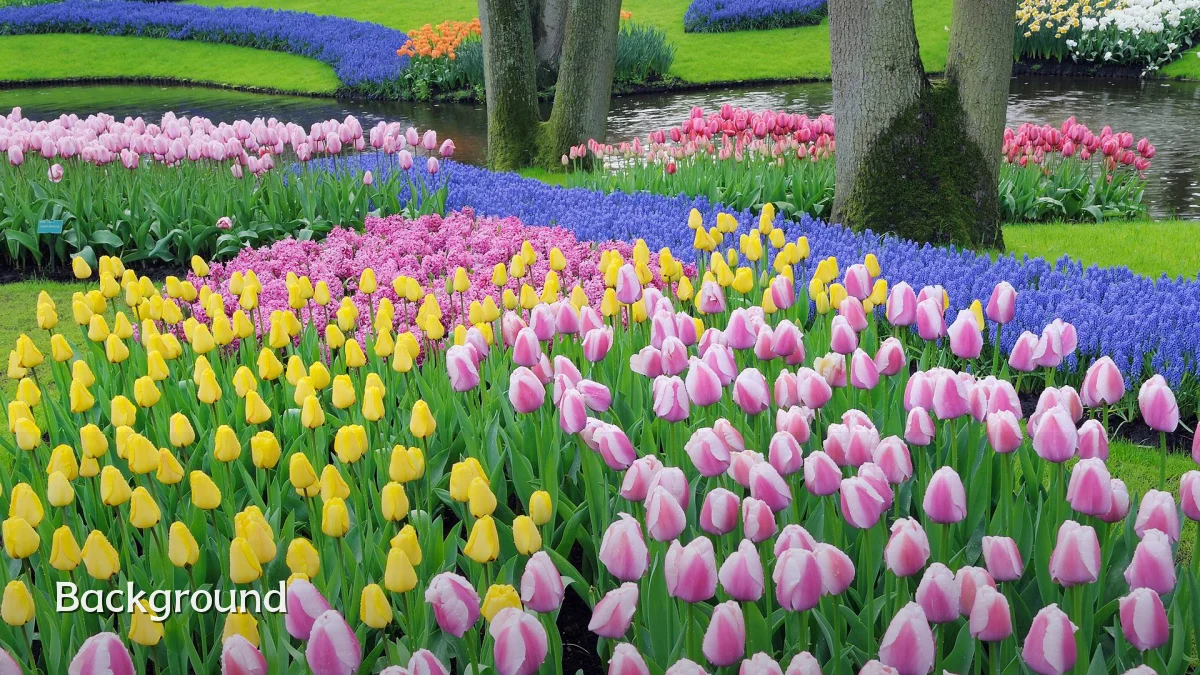
- Color palette and theme: The symbolism of colors matters – blue delphiniums for grace, yellow tulips for cheerfulness – but must also match the venue and dress.
- Meaning matching: Some couples avoid flowers with negative historical connotations (e.g., yellow roses once meant jealousy), though many now disregard outdated meanings.
Likely Impact on the Wedding Industry
The shift toward more intentional flower choices is influencing florists, growers, and event planners:
- Florists: Increasingly offer consultations on flower symbolism alongside design, and create custom-blended bouquets that tell a story.
- Local growers: Small-scale farms see rising demand for English garden flowers, leading to more diverse plantings of heritage varieties.
- Couples: Gain a deeper sense of personalization, often reducing waste by selecting flowers that can be replanted or dried after the wedding.
- Cost adjustment: While seasonal local flowers can be cheaper than imports, custom symbolism research may add to planning time.
What to Watch Next
Several developments could shape the future of English wedding flowers:
- Climate adaptation: Warmer winters may alter traditional bloom seasons, forcing florists to adapt with new varieties or storage methods.
- Hybrid symbolism: As multicultural weddings increase, English flower meanings may blend with those from other traditions (e.g., peonies from China for prosperity).
- Technology in selection: Apps that analyze flower meanings and seasonal availability could help couples streamline decisions.
- Heritage revival: Rare English flowers like love-in-a-mist or sweet William might regain popularity as couples seek unique symbolic choices.