The Ultimate Birthday Flower Guide: What to Send and Why

Birthday flowers remain a staple gift, but consumer expectations around personalisation, meaning, and sustainability have reshaped how florists and buyers approach arrangements. This guide analyses current market dynamics, historical context, common buyer dilemmas, likely industry shifts, and emerging considerations for the coming seasons.
Recent Trends in Birthday Flowers
Over the past two to three years, several patterns have gained momentum:
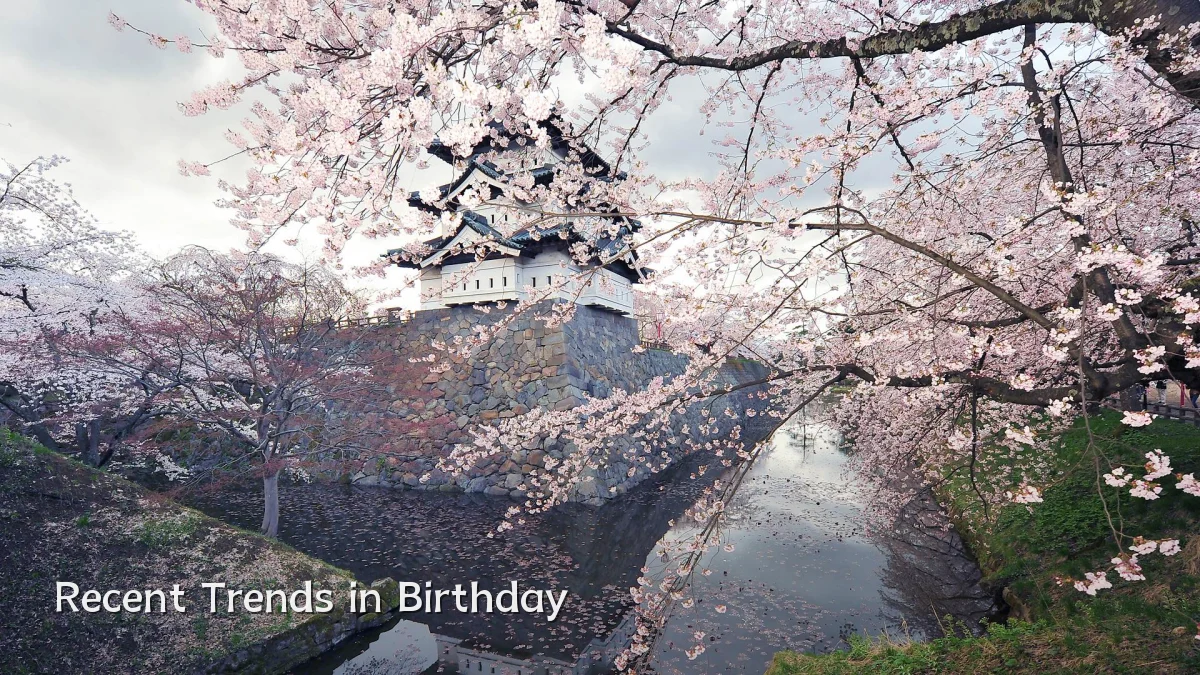
- Colour psychology preference — More recipients now request blooms tied to specific emotions (e.g., yellow for friendship, lavender for calm) rather than traditional birthday colours.
- Seasonal and local sourcing — A growing share of orders favour locally grown stems over imported varieties, influenced by ecological awareness and shorter supply chains.
- Mixed arrangement vs. single-variety — While classic bouquets remain popular, curated multi-flower bundles that allow customisation have seen steady uptake, particularly among younger demographics.
- Subscription-style gifting — Repeat birthday flower subscriptions (monthly or quarterly) are emerging, though still niche compared to one-off deliveries.
Background: Why Birthdays and Flowers Intersect
Flowers have been associated with birthday celebrations for centuries, with the language of flowers (floriography) historically used to convey sentiments that verbal messages could not. In modern commerce, the birthday segment accounts for a notable proportion of annual floral sales, often second only to Mother’s Day and Valentine’s Day. Standard practice has long paired birth month flowers (e.g., carnations for January, daffodils for March) with personal taste, but the lack of universal guidelines leads to confusion when selecting for acquaintances or professional contacts.

User Concerns When Choosing Birthday Flowers
Common questions and pain points include:
- Meaning vs. aesthetics — Buyers often struggle to balance a flower’s symbolic meaning with the recipient’s visible preferences (favourite colour, scent tolerance).
- Practical longevity — Concerns about how long an arrangement lasts, especially when shipping to different climates or when the recipient may be away.
- Budget versus impact — Limited guidance on value ranges; a modest bouquet may feel underwhelming while an oversized luxury arrangement can seem excessive.
- Allergies and sensitivities — Increasing awareness of pollen allergies and strong fragrances leads to requests for hypoallergenic options, though not all services clearly label them.
- Suitability for the occasion — Whether to send cut flowers, potted plants, or dried arrangements depends on lifestyle and space, but default recommendations are often lacking.
Likely Impact on Florists and Consumers
As demand for more considered gifting grows, several outcomes are probable:
- Florists will invest in clearer labelling of flower meanings, longevity expectations, and care instructions to reduce buyer hesitation.
- Online configurators will offer step-by-step filters (e.g., “sentiment,” “style,” “budget”) that help users navigate choices without expert knowledge.
- Price tiering will become more transparent, with a shift toward modular pricing so customers can see exactly what affects cost (stem count, rare blooms, vase inclusion).
- Allergen warnings and scent-free options will be standardised across major ordering platforms, addressing a recurring customer complaint.
What to Watch Next
- Integration of birth month flower intelligence — Automated suggestions based on the recipient’s date of birth, combined with personal style quizzes, could replace generic “best-seller” recommendations.
- Direct-to-consumer farm partnerships — Smaller growers may offer birthday-specific boxes with seasonal blooms, bypassing traditional florists and altering pricing dynamics.
- Omnichannel experience — Expect more florists to blend in-store tactile selection with seamless online ordering for same-day delivery, especially in urban areas.
- Post-gift feedback loops — Tools that allow senders to receive a digital “thank you” and photo of the arrangement post-delivery, helping refine future choices.