The Ultimate Guide to Choosing the Perfect Birthday Bouquet for Any Personality
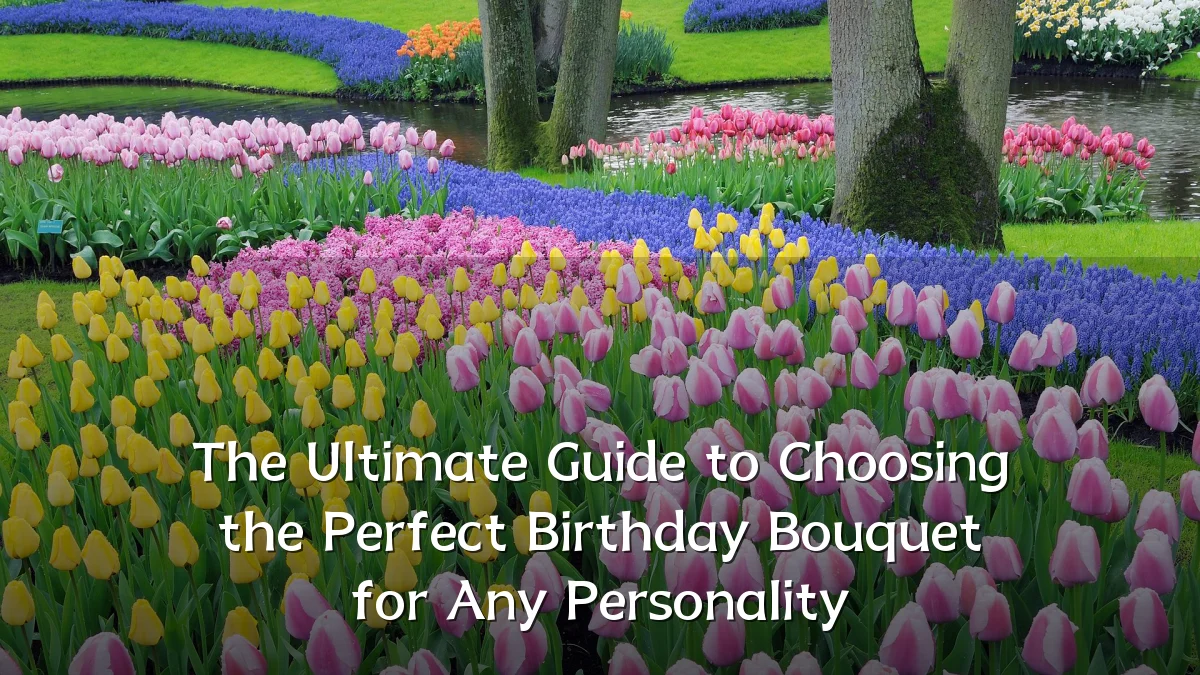
The concept of the "informational birthday bouquet" has quietly reshaped how consumers approach floral gifts. For years, the default was a mixed bunch chosen for visual appeal alone. Today, both buyers and florists increasingly view a bouquet as a coded message—one that speaks to the recipient's character, values, and personal style. This shift builds on a broader preference for meaningful, personalized gifting in place of generic one-size-fits-all arrangements.
Recent Trends: From Decorative to Diagnostic
The move toward personality-driven bouquets has gained clear momentum. Several interrelated trends are driving the change:
- Personality-as-a-service quizzes. Online florists now offer guided wizards that match flower types, colors, and forms to traits such as "adventurous," "classic," or "minimalist."
- Social media influence. Platforms have popularized "flower language" content, giving new life to Victorian-era symbolism and encouraging senders to think beyond "pretty."
- Demand for customisation. Consumers increasingly reject one-size-fits-all products. A birthday bouquet is expected to say something specific about the recipient—not just the sender's intention.
- Rise of flower subscriptions. Recurring services now often ask personality-focused questions up front, then curate each delivery accordingly, creating a built-in data feedback loop.
Background: The Evolution of the Birthday Bouquet
The tradition of giving flowers for a birthday has long roots, but the standard approach was conservative: bright colors, safe blooms (roses, lilies, carnations), and a generic "happy birthday" card. Over the past decade, a subtle but significant shift occurred. Florists began documenting what sells best for different age groups and occasions, leading to informal personality categories. At the same time, the broader wellness and self-care movement made "knowing the recipient" a selling point. The informational bouquet—one designed to communicate something truthful about the person receiving it—emerged as a natural answer to the question, "Will they actually like it?"
User Concerns: What Buyers Actually Ask
When selecting a personality-matched birthday bouquet, consumers typically weigh several practical and emotional factors:
- Accuracy of the match. Buyers worry that a quiz or category label might miss nuances—a recipient who loves structure but also quirky details, for example.
- Delivery timing and freshness. A thoughtful arrangement loses impact if it arrives wilted or on the wrong day. Non-brand freshness guarantees vary widely, so buyers often ask about cut-date windows.
- Budget for custom vs. standard. Fully personalized bouquets can cost up to a moderate premium depending on flower availability and design complexity, raising the question of whether the added cost justifies the result.
- Ethical and local sourcing. Consumers increasingly care about where stems come from and whether the grower or shop uses sustainable practices, especially if the bouquet is meant to reflect a recipient's values.
- Longevity of the message. Wilted blooms can undercut the thought behind the personality match; buyers often ask which flowers last longest if the bouquet is meant to be kept on display for several days.
Likely Impact: What the Shift Means for Florists and Recipients
The rise of the informational birthday bouquet has several notable effects across the gifting ecosystem:
- Higher repeat business for florists who invest in accurate personality profiling, as satisfied buyers return for other occasions with the same trusted system.
- A reduction in "bouquet regret." Recipients receive flowers that feel personal rather than generic, potentially increasing emotional satisfaction and reducing waste from arrangements that are merely accepted politely.
- Operational challenges for smaller shops. Offering a true personality-driven service requires inventory flexibility, staff training, and sometimes digital tools—resources not all independent florists have in abundance.
- Environmental trade-offs. Highly custom bouquets may rely on out-of-season imports to meet a personality match, though local-only options are emerging as a counter-trend for eco-conscious buyers.
What to Watch Next
Several near-term developments are likely to further shape how personality-driven bouquets are chosen and delivered:
- Integration of AI florists. Several platforms are testing conversational agents that ask follow-up questions—similar to how a human florist would probe for details—then generate a bouquet design and a short explanation of why each flower was chosen.
- Feedback loops and refinement. Subscription services may soon adjust a bouquet profile based on the recipient's reaction (likes, photos, or direct reviews), making the "personality match" dynamic rather than static.
- Regional and seasonal personality “dialects.” Expect regional florists to develop local personality categories based on what sells and what recipients praise, creating a subtle geography of floral gifting.
- Collaborative bouquets. Group gifting—where multiple people contribute to one arrangement—will likely adopt personality-ranking tools to blend the sender's intentions with the recipient's known traits.
The informational birthday bouquet is not a passing fad; it reflects a deeper consumer desire for gifts that demonstrate understanding rather than obligation. As tools and transparency improve, the gap between a generic bunch and a genuinely personal arrangement will continue to narrow.