The Ultimate Guide to Choosing Wedding Flowers for Every Season
Recent Trends in Seasonal Wedding Florals
Couples are increasingly seeking “detailed wedding flowers” that reflect the natural character of their chosen season. Over the past few wedding cycles, florists have reported a shift away from rigid, uniform bouquets toward more organic, textured arrangements. Key developments include:
- Mixing local, in-season blooms with dried elements for longevity and texture.
- Using a single hero flower (e.g., peonies in late spring, dahlias in early fall) as the centerpiece of the design.
- Incorporating foliage and branches that change color with the season, such as autumn maple leaves or winter eucalyptus.
- Embracing “undone” looks that feel garden-picked rather than manicured, especially for outdoor ceremonies.
Background: Why Seasonality Matters
The choice of wedding flowers has long been influenced by availability and cost, but the deeper rationale lies in the flower’s natural lifecycle. Detailed wedding flowers require careful attention to bloom times, climate conditions, and regional growing patterns. Historically, couples relied on imported flowers to get any bloom at any time, but that approach often leads to higher costs and environmental concerns. Today, the emphasis is on aligning floral choices with what naturally flourishes in a given season:
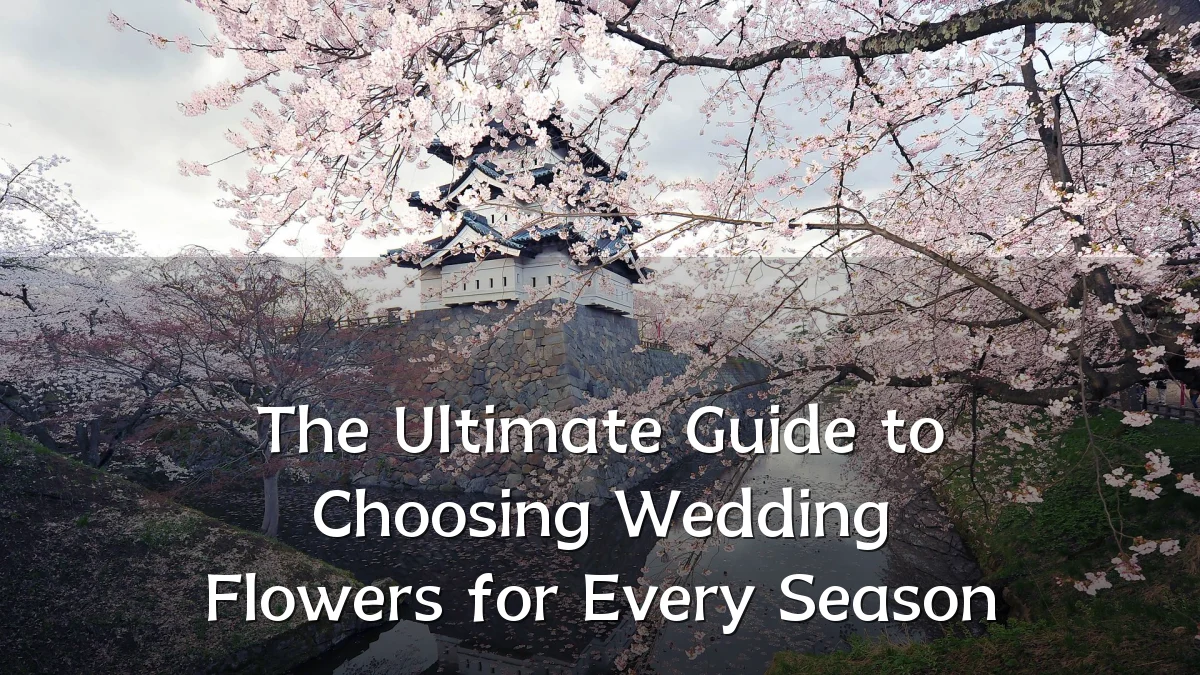
- Spring (March–May): Tulips, daffodils, hyacinths, cherry blossoms, and early peonies. Cooler temperatures help these blooms last longer.
- Summer (June–August): Roses, sunflowers, lavender, hydrangeas, and zinnias. Heat can shorten vase life, so hydration and timing are critical.
- Fall (September–November): Dahlias, chrysanthemums, marigolds, asters, and ornamental kale. Rich, warm hues dominate.
- Winter (December–February): Amaryllis, hellebores, evergreens, paperwhites, and forced branches. Many winter blooms are surprisingly hardy and offer dramatic silhouettes.
Key Concerns for Couples Choosing Wedding Flowers
Selecting detailed wedding flowers for the right season involves balancing aesthetics, budget, and practical logistics. Common worries include:
- Budget surprises: Out-of-season flowers can cost two to three times more than in-season alternatives. Couples are advised to ask florists for “seasonal substitution lists” before signing contracts.
- Allergy triggers: Heavily scented spring blooms (e.g., lilies, hyacinths) may bother sensitive guests. Unscented or low-pollen options exist for every season.
- Durability on the day: Summer heat wilts delicate petals quickly; winter cold can make stems brittle. Florists recommend stress tests and backup arrangements for extreme weather.
- Theme vs. reality: A winter wedding in a tropical destination, or a summer garden party in a desert region, requires creative sourcing and often higher spending.
Likely Impact on Planning and Budget
Choosing detailed wedding flowers by season generally leads to more predictable planning and lower costs than trying to force an off-season look. The impact is most visible in three areas:
- Vendor availability: Local growers and farmers’ markets can supply in-season flowers at a fraction of imported prices, often with fresher stems.
- Design flexibility: When every stem is in peak condition, the florist can create denser, more intricate arrangements without extra cost for preservation.
- Guest experience: Seasonal flowers naturally complement the venue’s surroundings (e.g., fall blooms with autumn foliage), creating a cohesive sensory impression.
As a rule of thumb, sourcing 80% of flowers from the season you’re marrying in can reduce floral expenditure by roughly one-third compared with a heavily imported design.
What to Watch Next in Floral Design
The movement toward detailed, seasonal wedding flowers is likely to push several innovations forward in the coming year:
- Growth in hyper-local “farm-to-table” floral networks that allow couples to tour and pick blooms directly.
- Advances in flower preservation techniques (pressing, freeze-drying) that let couples keep detailed arrangements as keepsakes.
- More florists offering hybrid designs that combine seasonal flowers with high-quality silk or preserved botanicals for structural pieces that last through multiple events.
- Greater transparency from wedding platforms about flower origin and seasonality, helping couples make informed decisions earlier in planning.
Ultimately, the detailed wedding flowers approach rewards those who work with nature’s calendar rather than against it—and the results often feel more authentic, memorable, and sustainable.