The Ultimate Guide to Selecting Detailed Occasion Flowers for Weddings, Funerals, and Everything Between
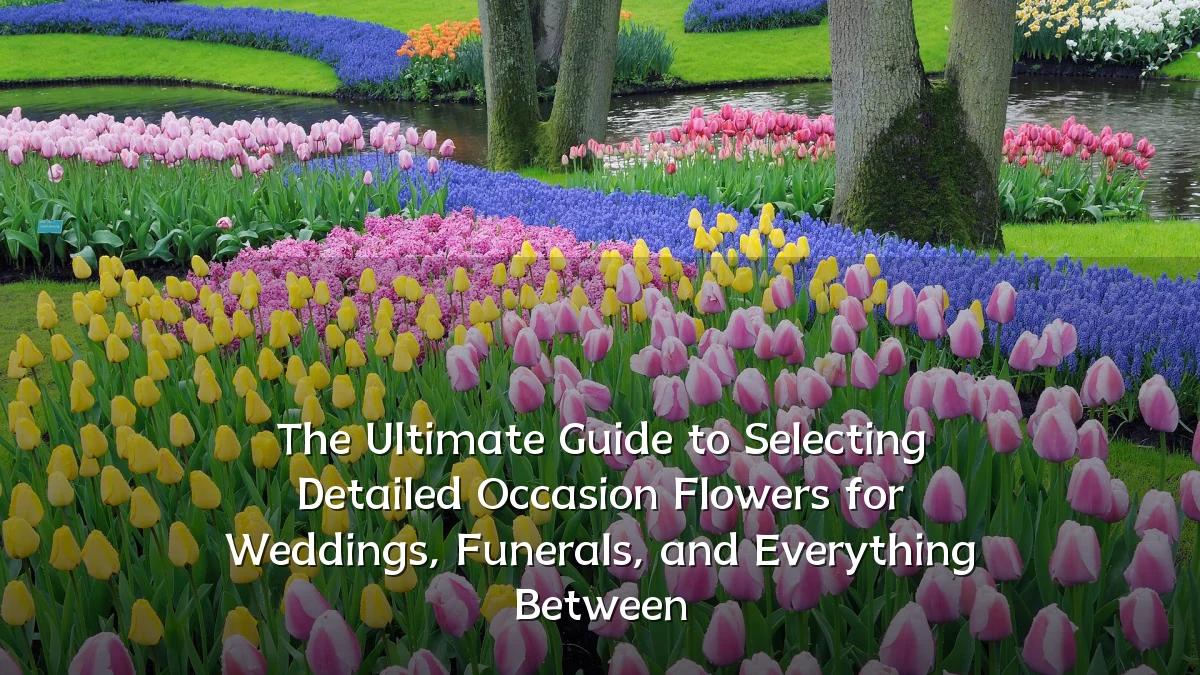
The selection of flowers for milestone events has steadily evolved from simple decoration to a deliberately detailed language of emotion and meaning. Consumers and event professionals alike now treat blooms as narrative tools, choosing each stem to reflect the tone, relationship, or memory tied to a given occasion. This analysis examines the current landscape of detailed occasion flowers, covering recent shifts in preference, the practical and emotional concerns that drive choices, and what may shape the market next.
Recent Trends
- Personalized palettes: Instead of standard seasonal arrangements, planners and families increasingly request flower colors and varieties that correspond to a specific person's favorite shades, birth month blooms, or cultural symbolism.
- Hybrid event usage: A single flower type or color story is now being adapted across wedding, funeral, and milestone birthday gatherings, allowing hosts to reuse and repurpose arrangements while maintaining thematic cohesion.
- Locally sourced and seasonal emphasis: Clients commonly ask for flowers that are native or regionally available during the event date, both to reduce cost and to create a stronger sense of place.
- Textural and structural detail: Flower buyers are focusing on petal shape, stem length, and foliage tone as much as color, using layered blooms to create visual depth that works equally well in close-up photography and large venue spaces.
Background
The idea of “detailed” occasion flowers has its roots in Victorian floriography, where every bloom carried a coded message. In recent decades, the practice became commercialized through standardized wedding and funeral packages. However, the past five to ten years have seen a return to bespoke selection, driven by social media’s emphasis on curated visuals and the broader trend of experiential events. Florists now commonly offer consultations that cover not only budget and season but also the emotional weight each flower carries for the host and their guests. This shift has turned flower choice into a key planning milestone rather than an afterthought.
User Concerns
- Budget unpredictability: Detailed selections can quickly drive up costs when multiple flower types or imported varieties are included. Users often struggle to balance personal significance with realistic spending ranges.
- Longevity and staging: For multi-day events (especially weddings), people worry about how long delicate blooms will remain fresh. They seek flowers that can hold up from ceremony to reception without wilting or discoloration.
- Symbolic missteps: Choosing a flower with unintended cultural or historical connotations is a frequent worry. Local customs around white lilies (often associated with funerals) or red roses (romantic love) can clash with the intended tone of a different event.
- Seasonal availability vs. desire: A dream flower may not be in season, and users must decide whether to pay a premium for off-season imports, substitute with a similar local bloom, or shift the event date.
- Allergies and sensitivities: Strongly scented flowers like lilies, hyacinths, or certain roses can affect guests with respiratory conditions. Hosts increasingly request low-pollen or fragrance-free alternatives for indoor gatherings.
Likely Impact
- Customized ordering platforms: The demand for detailed occasion flowers is prompting more online tools that let users filter by meaning, color hex code, bloom life, and seasonal windows before speaking with a florist.
- Hybrid arrangements become standard: Expect to see more arrangements designed to serve double duty – for example, a ceremony centerpiece that transitions easily into a sympathy display after the wedding, reducing waste and costs.
- Florist education expansion: Training programs are adding modules on cultural symbolism, color psychology, and sustainable sourcing to meet client expectations for detail-oriented selection.
- Substitution culture grows: As users accept that a specific variety may not be available, the industry is normalizing “intentional alternatives” – for instance, substituting peonies for garden roses based on texture rather than exact appearance.
What to Watch Next
- Subscription-based flower planning: Services that deliver preserved or dried “test stems” months before an event, allowing hosts to preview and adjust their detailed selections without committing to a full order.
- Blockchain or digital provenance records: Some growers are testing traceability tags that show the farm, harvest date, and transport conditions for each stem, giving detail-oriented buyers full transparency.
- Cross-event flower sharing networks: Local platforms where a family can list leftover wedding flowers for quick repurposing at a funeral or celebration of life within the same week, minimizing waste and lowering costs.
- Climate-adapted variety guides: Regional flower databases that update in real time with which blooms are thriving (or struggling) under local weather patterns, helping users plan detailed selections years in advance.