Top 5 Modern Flower Trends for Your Next Event
1. Sculptural Single-Stem Arrangements
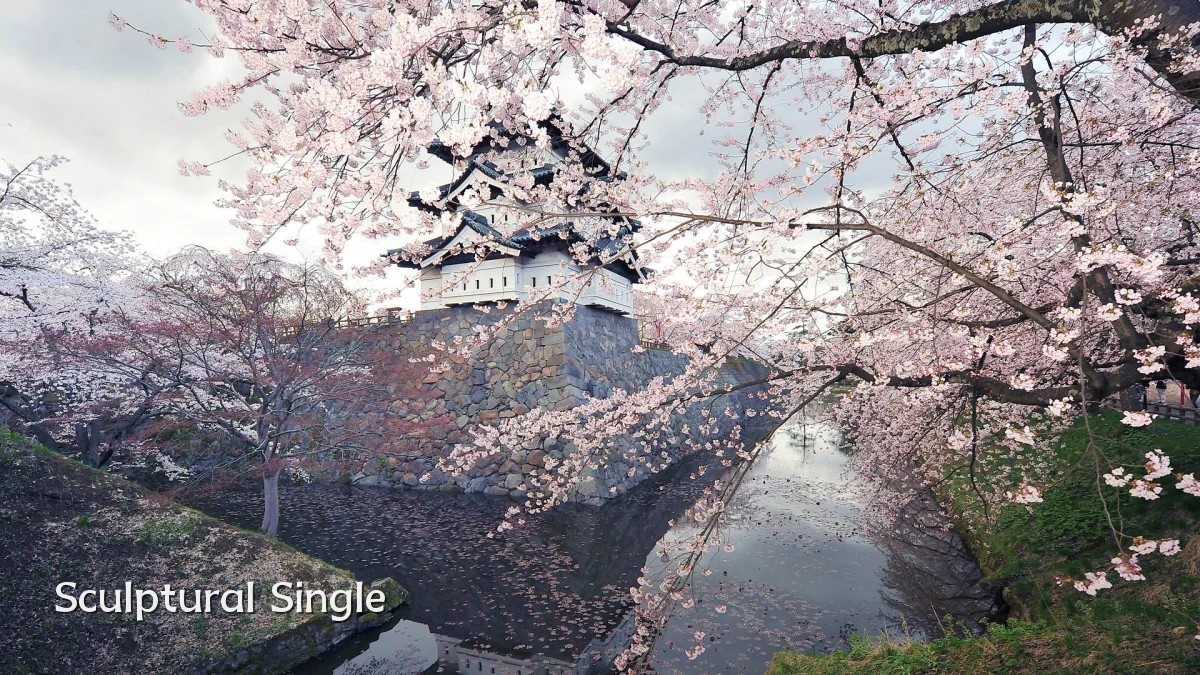
Event designers are moving away from dense, mixed bouquets toward minimalist displays built around a single dramatic stem—often an orchid, a protea, or a branching quince. Vessels range from architectural ceramic vases to simple glass cylinders, with the flower itself becoming the focal point. This trend responds to a desire for clean lines in modern event styling.
2. Dried and Preserved Elements
Dried grasses, preserved ferns, and tinted palm leaves now appear alongside fresh blooms in centerpieces, arches, and even bouquets. Their longevity appeals to planners seeking installations that can be set up a day or two in advance without wilting. Popular pairing: bleached eucalyptus with deep burgundy dried amaranthus.
3. Seasonal Locally Grown Textures
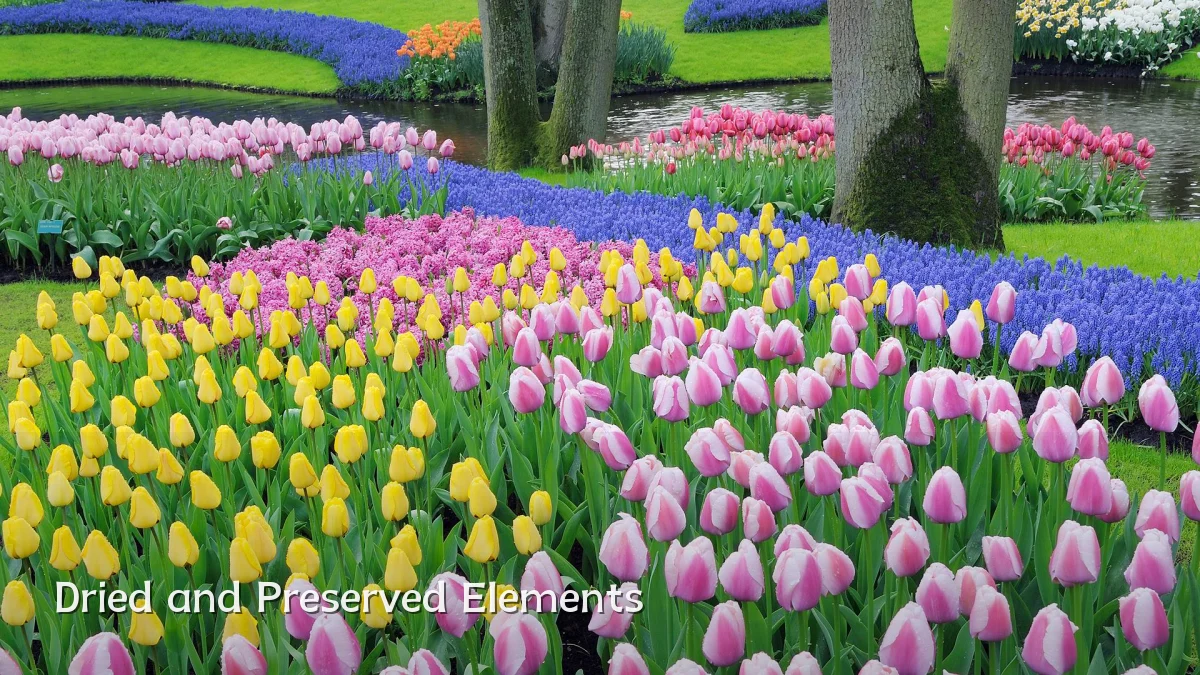
Covet for hyper-local, field-grown flowers emerged during supply-chain disruptions. Now, event holders routinely ask for whatever is in peak bloom within 50 miles. This yields arrangements heavy on textural blooms—like ranunculus, anemones, and scabiosa—that shift with the calendar instead of relying on imports.
4. Monochromatic Color Stories
Instead of rainbow palettes, many events now use a single color family with three to four tonal variations—e.g., peach, coral, and rust—often with a single accent like a dark chocolate leaf. The effect is cohesive and photographically striking, especially under moody event lighting.
5. Floral Installations as Architecture
Ceiling-suspended canopies, living walls, and archways are no longer reserved for luxury galas. Smaller events budget for one statement piece—a hand-tied garland over a bar, a floor vase filled with branches—that defines the space without requiring full-room coverage.
Background: Shifting Aesthetics and Supply Realities
The modern flower trends reflect broader changes in event planning. A decade ago, large mixed-center was standard; today, intentional minimalism and sustainability guide decisions. Meanwhile, wholesale flower availability has become more unpredictable, prompting designers to embrace flexibility—working with what is abundant locally rather than ordering exotic stems from overseas. Social media also accelerates adoption: a striking single-stem arrangement photographed against a blank wall can spread as a design template within weeks.
User Concerns: Cost, Sustainability, and Logistics
- Budget uncertainty: Locally grown seasonal blooms can cost less per stem than imports, but labor for installations (e.g., hanging a floral canopy) often raises the total. Clients should ask for itemized labor versus materials.
- Eco-impact: Dried and preserved flowers reduce water consumption and waste, but some preservation methods use dyes or chemicals. Ask florists about sourcing and whether stems can be composted or kept as keepsakes.
- Lead time: Single-stem and architectural designs may require fewer stems but more planning—the florist may need to test structural supports. Book at least 2–3 months ahead for larger installations.
- Weather and venue: Dried arrangements are ideal for outdoor events where wind or sun might wilt fresh blooms. For indoor events, humidity matters for arch designs using fresh greenery.
Likely Impact on Event Planners and Florists
These trends push both planners and florists to specialize. Florists who previously offered one-size-fits-all packages now consult on seasonality and structural supports. Planners, in turn, adjust timelines: monochrome and single-stem designs require less on-site setup time but more pre-production sourcing. Dried-element installations allow multi-day use, potentially lowering labor costs. Over the next 12–18 months, expect further demand for “hybrid” arrangements—fresh stems combined with dried accent pieces that evolve over the event’s duration.
What to Watch Next
- Floral leasing: Rental programs where clients return arrangements for reuse are being tested in metropolitan markets.
- Color forecasting: Pantone-style trend reports from floral industry groups may help planners lock in monochrome palettes years in advance.
- Native plant integration: Increasing use of uncultivated species (like goldenrod or wild yarrow) in high-end events to emphasize hyper-local sustainability.
- AI design tools: Early-stage software that generates centerpiece mock-ups based on venue dimensions and budget parameters could streamline client-florist communication.